

Christmas Day is the day Christians around the world remember the birth of Jesus Christ. For millions of families, it is a day for worship, prayer, gratitude, and time together. In 2026, Christmas Day falls on Friday, December 25, and many people in the United States will have the day off to celebrate.
This article explains what Christmas Day means, where the holiday came from, and what the Bible says about the birth of Jesus. You will also find the 2026 date, a countdown, traditions in the United States and other countries, holiday details for December 25 and 26, and the stories behind symbols like the star and the nativity scene.
What is Christmas Day?
Christmas Day is the yearly Christian holiday that celebrates the birth of Jesus Christ, observed on December 25 by most Western churches, including Catholic and Protestant churches. For Christians, it is a holy day centered on worship and thankfulness. In the United States, it is also a national holiday that many people enjoy with family, food, and gifts, whether or not they attend church.
Read More: When Does Advent Start in 2026? Dates, Meaning, Prayers, and Traditions
What is Christmas?
Christmas is the Christian festival that celebrates the Incarnation, the belief that God became a man in Jesus Christ. The Gospel of John puts it simply in John 1:14, saying that the Word became flesh and lived among us. The season begins with Advent, the weeks of preparation before December 25. In Western churches, the twelve days of Christmas run from December 25 until January 5, and Epiphany follows on January 6.
When Is Christmas Day 2026?
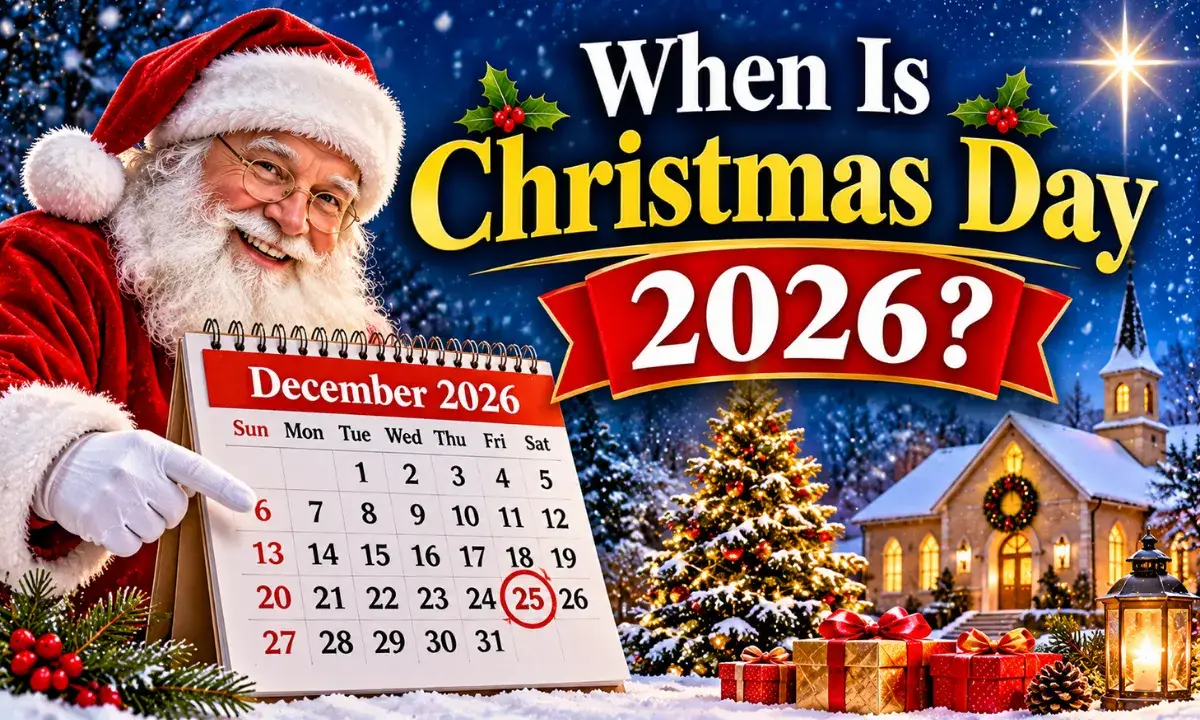
Christmas Day 2026 is on Friday, December 25. Christmas Eve falls on Thursday, December 24, and the first Sunday of Advent is November 29, 2026. Since Christmas lands on a Friday this year, many American workers will enjoy a long weekend, with Saturday and Sunday following right after the holiday.
What are the origins of Christmas?
The origins of Christmas begin with the birth of Jesus in Bethlehem, but the holiday as we know it developed over several centuries. The Bible tells the story of the birth, while history tells us when and how the church began to celebrate it each year. The sections below separate what Scripture says from what historians have recorded.
How Did Christmas Begin?
Christmas began as a church feast in the Roman Empire. The earliest clear record of a December 25 celebration comes from Rome in the year 336, during the reign of Emperor Constantine. A Roman calendar from the year 354 also lists December 25 as the birth of Christ. Before that, early Christians focused more on Easter and on the Epiphany, and they did not yet keep a widely shared birthday feast for Jesus.
What does the word Christmas mean?
The word Christmas means “Christ’s Mass.” It comes from the Old English phrase Cristes maesse, which referred to the worship service held in honor of Christ. The word Christ comes from the Greek Christos, which means “anointed one,” the same idea as the Hebrew word Messiah. The first known use of the English word appears in the eleventh century.
Did Christmas Start in Germany?
No, Christmas did not start in Germany. The holiday began in the early church and was already being celebrated in Rome and other parts of the Roman world long before German customs developed. Germany did shape many of the traditions people love today, though. The decorated Christmas tree, the Advent wreath, and the Advent calendar all grew from German Christian homes and later spread to the United States and beyond.
Why is Christmas celebrated on the 25th?
Christmas is celebrated on December 25 because the early church in Rome chose that date, and it stuck. Historians offer two main explanations. One says early Christians linked the conception of Jesus to March 25, which falls nine months before December 25. The other points out that Romans held winter festivals around that time, including one for the sun god, and the church may have placed Christmas near them. Scholars still debate which view is stronger, and the Bible gives no reason for the date.
The Nativity: Biblical accounts and significance
The nativity is the story of the birth of Jesus, and it is told mainly in two Gospels. Matthew explains the story from Joseph’s point of view, while Luke shares it through Mary, the shepherds, and the journey to Bethlehem. Together they show why Christians see this birth as the moment God came close to humanity.
The Birth of Jesus Christ in the Bible
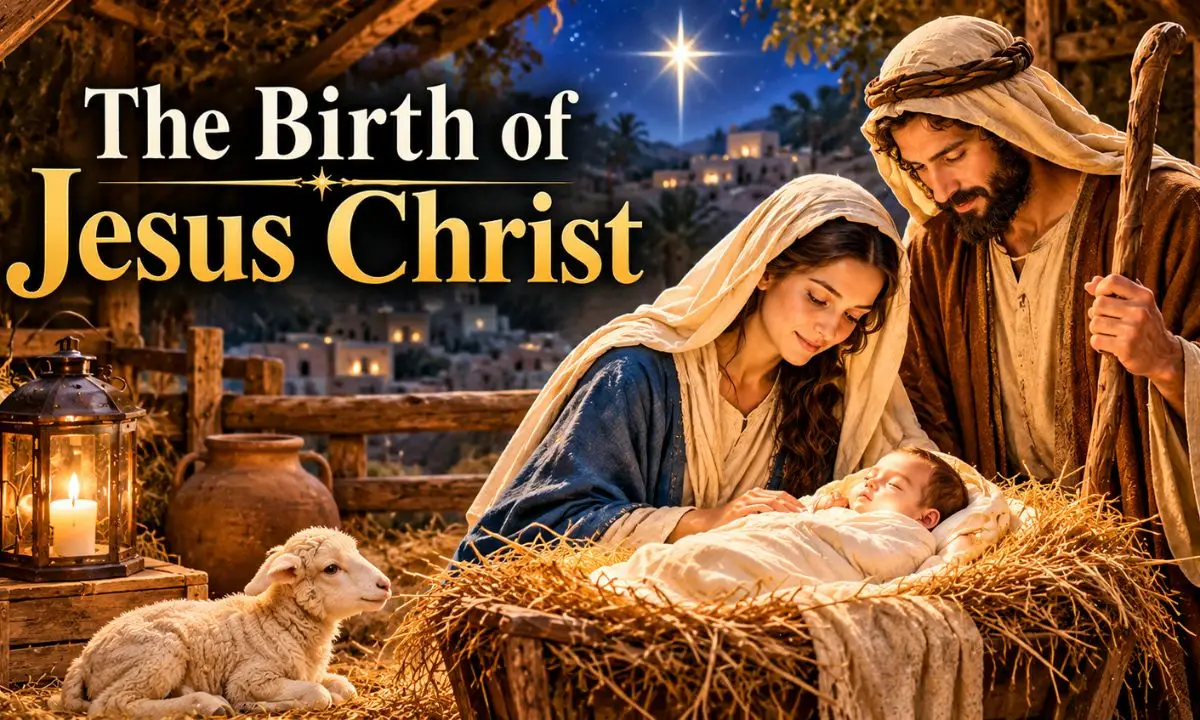
The birth of Jesus is recorded in Matthew 1:18 to 25 and Luke 2:1 to 20, and both passages describe a miraculous and humble beginning. Mary was engaged to Joseph when she was found to be with child through the Holy Spirit. An angel told Joseph to name the baby Jesus, because he would save his people from their sins. Matthew connects this to the prophecy in Isaiah 7:14 about a child called Immanuel, meaning God with us.
What date was Jesus born?
The Bible does not say what date Jesus was born, and it does not say that he was born on December 25. No Gospel gives a day, a month, or a season for the birth. Some Bible readers point to the shepherds watching their flocks at night in Luke 2:8 as a sign that the birth may not have been in the middle of winter, but this is only an argument and not a clear statement. December 25 is a date the church chose to celebrate the event, not one Scripture confirms.
What does the Bible say about the birth of Jesus?
The Bible says Jesus was born in Bethlehem to Mary, a virgin, during a census ordered by Caesar Augustus. Luke 2:1 to 20 tells how Mary laid the newborn in a manger because there was no room in the inn. Angels appeared to shepherds nearby and announced good news of great joy for all people. The shepherds hurried to Bethlehem, found the child, and then spread the news. The prophet Micah had also named Bethlehem as the place the ruler of Israel would come from, in Micah 5:2.
Development of Christmas as a holiday
Christmas grew slowly from a church feast into a family and community holiday. In the Middle Ages it became a major season of worship, feasting, and music across Europe. Some Protestant groups, including early Puritans in England and New England, discouraged Christmas because they did not find it commanded in Scripture, and it was even banned for a time in colonial Massachusetts. In the 1800s, stories, songs, cards, and family customs made Christmas the warm, home centered holiday Americans know today.
How Many Days Until Christmas 2026?
Christmas Day 2026 is on Friday, December 25, so the countdown depends on the date you are reading this. The quick answer is to count the days from today to December 25. The sections below give the number as of early November and a simple way to work it out on any day.
How Many More Days Till Christmas?
As of November 4, 2026, there are 51 days until Christmas Day. That is a little more than seven weeks. The number drops by one each morning, so on December 1 there will be 24 days left, and on December 24 there will be one day to go.
How Many Days Left Till Christmas?
The days left till Christmas shrink quickly once December begins. From November 4, you have 26 days left in November and then 25 more days in December, which adds up to 51 days. The count includes today and ends on December 25, so it is easy to check with any calendar.
How Many Days to Christmas?
If you want the answer in weeks, there are seven weeks and two days to Christmas from November 4, 2026. Advent starts on Sunday, November 29, which gives families four Sundays to prepare their hearts and homes. Many churches light one Advent candle on each of those Sundays as Christmas gets closer.
How Many Days Till Xmas?
The number of days till Xmas is the same as the number of days till Christmas, since Xmas is just a shorter way to write the word. The X is not meant to remove Christ from the holiday. It comes from the Greek letter Chi, the first letter of Christos, and Christians have used it as an abbreviation for centuries. From November 4, 2026, the wait is 51 days.
Christmas Celebrations Around the World

Christmas is celebrated in almost every part of the world, but the customs change from country to country. Weather, history, and local culture all shape how families mark the day. Here are six countries with well known traditions, followed by the wider customs that many people share.
United States
In the United States, Christmas often begins with Christmas Eve church services, family dinners, and children hanging stockings for Christmas morning. Homes are decorated with trees and lights, and many neighborhoods are known for their displays. Families bake cookies, exchange gifts, and watch holiday movies. Many American Christians attend a candlelight service on December 24, and others go to church on Christmas morning.
United Kingdom
In the United Kingdom, families sit down to a large Christmas dinner, often with roast turkey and Christmas pudding. People pull Christmas crackers at the table and wear the paper crowns inside them. Many households watch the King’s Christmas message on the afternoon of December 25. The next day is Boxing Day, a public holiday known for sports, shopping, and visiting family.
Mexico
In Mexico, the Christmas season includes Las Posadas, nine nights from December 16 to 24 that remember Mary and Joseph searching for shelter in Bethlehem. Neighbors walk in a candlelit procession, sing, and then gather for food and a piñata. The main family celebration is Nochebuena, the late evening meal on Christmas Eve, and many families then attend a midnight church service.
Australia
Christmas falls in the middle of summer in Australia, so many families enjoy a barbecue, seafood, or a day at the beach instead of a snowy scene. Church services and gift giving are still central. Outdoor carol events are very popular, including Carols by Candlelight in Melbourne, which has been held since 1938.
Sweden
In Sweden, Christmas begins early with St. Lucia Day on December 13, when children in white robes carry candles and sing. The main celebration is on December 24, with a Christmas buffet called julbord. A well known tradition is watching a special Disney cartoon broadcast on Swedish television at 3 pm on Christmas Eve, which many families have kept for decades.
Germany
Germany is famous for its Christmas markets, where visitors drink warm spiced wine, buy ornaments, and listen to carols. The main gift giving happens on the evening of December 24, called Heiligabend. Children also receive small treats on St. Nicholas Day, December 6, when they leave a boot outside the door and hope to find it filled in the morning.
Contemporary customs in Europe and North America
In Europe and North America, modern Christmas combines church worship with family traditions. Many people attend a Christmas Eve or midnight service, decorate a tree, send cards, and share a large meal. Gift giving is popular, and Santa Claus is a favorite figure for children. Public life slows down, and in many countries shops and offices close on December 25.
Contemporary customs in other areas
Outside Europe and North America, Christmas customs reflect local faith and culture. The Philippines has one of the longest Christmas seasons in the world, with nine early morning Masses called Simbang Gabi and star shaped lanterns called parols. Many Orthodox churches, including the Ethiopian Orthodox Church, follow the Julian calendar and celebrate Christmas on January 7. In these places, church life remains the center of the holiday.
Christmas trees and lights
The Christmas tree is an evergreen tree decorated with lights and ornaments, and the custom grew out of German homes in the 1500s. Evergreens symbolize life that continues through winter, which Christians connect to eternal life in Christ. The tree became popular in Britain and America in the 1800s, and the first electric tree lights were made in 1882. Today the tree at Rockefeller Center in New York, a tradition that began in 1931, draws visitors from across the country.
Advent wreaths and calendars
An Advent wreath is a circle of evergreen branches holding four candles, one lit on each Sunday of Advent. Lutheran pastor Johann Hinrich Wichern is often credited with creating an early version in Germany in 1839. Advent calendars, which count down the days to Christmas with small doors or pockets, also began in Germany and became common in the early 1900s. Both help families slow down and prepare for the holiday in a meaningful way.
Exchange of gifts
Gift giving at Christmas is tied to the gifts the wise men brought to Jesus, which were gold, frankincense, and myrrh, and to the generosity of Saint Nicholas. Over time it became a family custom that shows love and thankfulness. For Christians, the heart of the tradition is remembering that God gave his Son. Many families also add acts of kindness, such as donating food or toys to people in need.
Cards and carols
Christmas cards became popular in England in 1843, when Henry Cole had the first commercial card printed. The habit of sending cards soon spread to the United States. Carols have an even longer history. Songs like “Silent Night,” first performed in Austria in 1818, and “Joy to the World” are still sung in churches and homes. Singing together remains one of the simplest ways to share the message of the season.
Is Christmas Day a Public Holiday in the United States?
Yes, Christmas Day is a public holiday in the United States, and it is observed every year on December 25. It is one of the few holidays that nearly every state recognizes. Below are the answers to the most common questions about Christmas and the calendar.
Is Christmas Day a Federal Holiday?
Yes, Christmas Day is a federal holiday in the United States. Congress first made it a holiday for federal employees in Washington, D.C. in 1870, and it was extended to all federal workers in 1885. In 2026, federal offices will be closed on Friday, December 25. You can see the full list of official holidays on USA.gov’s federal holidays page. Private employers are not required by federal law to give the day off, but most do.
Is December 26 a Holiday in the US?
No, December 26 is not a federal holiday in the United States. Some employers, schools, and state governments give extra time off around Christmas, and the President has sometimes closed federal offices by executive order, usually on December 24. Other countries, including the United Kingdom, Canada, and Australia, observe December 26 as Boxing Day. In the US, it is a regular day for most people unless their workplace says otherwise.
Is December 26, 2026 a Holiday?
December 26, 2026 is a Saturday, and it is not a federal holiday. Because it falls on a weekend, most offices and schools will already be closed. Stores are usually open, and many are busy with returns and after Christmas sales. Check your employer’s schedule if you work on that day, since some businesses set their own holiday hours.
Read Also This:What Day Is Thanksgiving On in 2026? Date, Day, and Holiday Facts
What are the most popular symbols of Christmas?

Christmas symbols are visual reminders of the story and the feeling of the season. Some come straight from the Bible, while others grew out of history and folk tradition. Knowing where they came from makes them more meaningful.
Santa Claus
Santa Claus is based on Saint Nicholas, a Christian bishop from the fourth century who lived in the town of Myra, in present day Turkey. He was known for helping the poor and for secret gift giving. The Dutch name Sinterklaas helped shape the English name Santa Claus, and American writers and artists in the 1800s created the cheerful, red suited figure many people recognize today.
Christmas Star
The Christmas star comes from Matthew 2:1 to 12, where wise men from the east saw a star and traveled to find the child born king of the Jews. The star led them to Jesus, and they worshiped him and offered gifts. Many Christians place a star at the top of the tree to remember this story. Matthew places the visit of the wise men after the birth, not at the manger on the night shepherds arrived.
Nativity Scene
The nativity scene shows Mary, Joseph, baby Jesus in a manger, shepherds, and often angels and animals. Saint Francis of Assisi is credited with creating the first live nativity in Greccio, Italy, in 1223, to help people picture the story of Bethlehem. Today, nativity sets appear in homes, churches, and public squares. Some include the wise men, though the Bible places their visit later.
Christmas Bells
Christmas bells have long been used to call people to church and to announce joyful news. Church bells ring on Christmas Eve and Christmas Day in many communities, and handbells are common in choirs. In the United States, the sound of bells is also linked to the Salvation Army, whose bell ringers collect donations at red kettles during the holiday season. The kettle tradition began in San Francisco in 1891.
Frequently Asked Questions About Christmas Day
These short answers cover the questions people ask most often about Christmas Day. Each one gives a direct answer first and then a little more context.
What is the true meaning of Christmas?
The true meaning of Christmas is the birth of Jesus Christ, who Christians believe is God’s gift of love, hope, and salvation to the world. Luke 2:11 says a Savior was born, who is Christ the Lord. Gifts, meals, and traditions are enjoyable, but the heart of the holiday is remembering and thanking God for sending his Son.
Is Christmas a Christian holiday?
Yes, Christmas is a Christian holiday because it celebrates the birth of Jesus Christ. It began in the church and remains one of the two most important days of the Christian year, along with Easter. Today many non Christians in the United States also celebrate it as a cultural and family holiday, with trees, gifts, and gatherings.
Why do Christians celebrate Christmas?
Christians celebrate Christmas to honor the birth of Jesus and to remember that God came to live among people. They believe his life, death, and resurrection brought forgiveness and new life. Celebrating Christmas gives believers a yearly chance to worship together, reflect on the Gospel story in Matthew and Luke, and share God’s love with others.
Was Jesus really born on December 25?
Nobody knows the exact date, because the Bible does not state it. Jesus was born in Bethlehem, but the Gospels do not give a day or month. The church began celebrating Christmas on December 25 in the fourth century, and the date has been kept ever since. Christians celebrate the fact of his birth, and the date serves as a shared day to remember it together.
Conclusion
Christmas Day is the day Christians remember that Jesus Christ was born in Bethlehem, just as the Gospels of Matthew and Luke describe. The exact date is not given in the Bible, but the church has long set aside December 25 to celebrate his birth. In 2026, that day falls on Friday, and it is both a sacred holy day and a federal holiday in the United States.
The message of Christmas is simple and lasting. It speaks of love shown in a child laid in a manger, hope for people who need a Savior, peace on earth, and faith that God keeps his promises. Whether you celebrate with a church service, a family meal, or a quiet prayer at home, may this Christmas Day bring you closer to Christ.

I am a content writer with five years of experience in the prayer and spirituality niche. I love writing simple and meaningful prayer content that helps people feel closer to faith and find peace in their daily lives. I share inspiring prayers and spiritual guidance to encourage readers.


1 thought on “What Is Christmas Day? Meaning, History, Date, and Celebrations in 2026”